
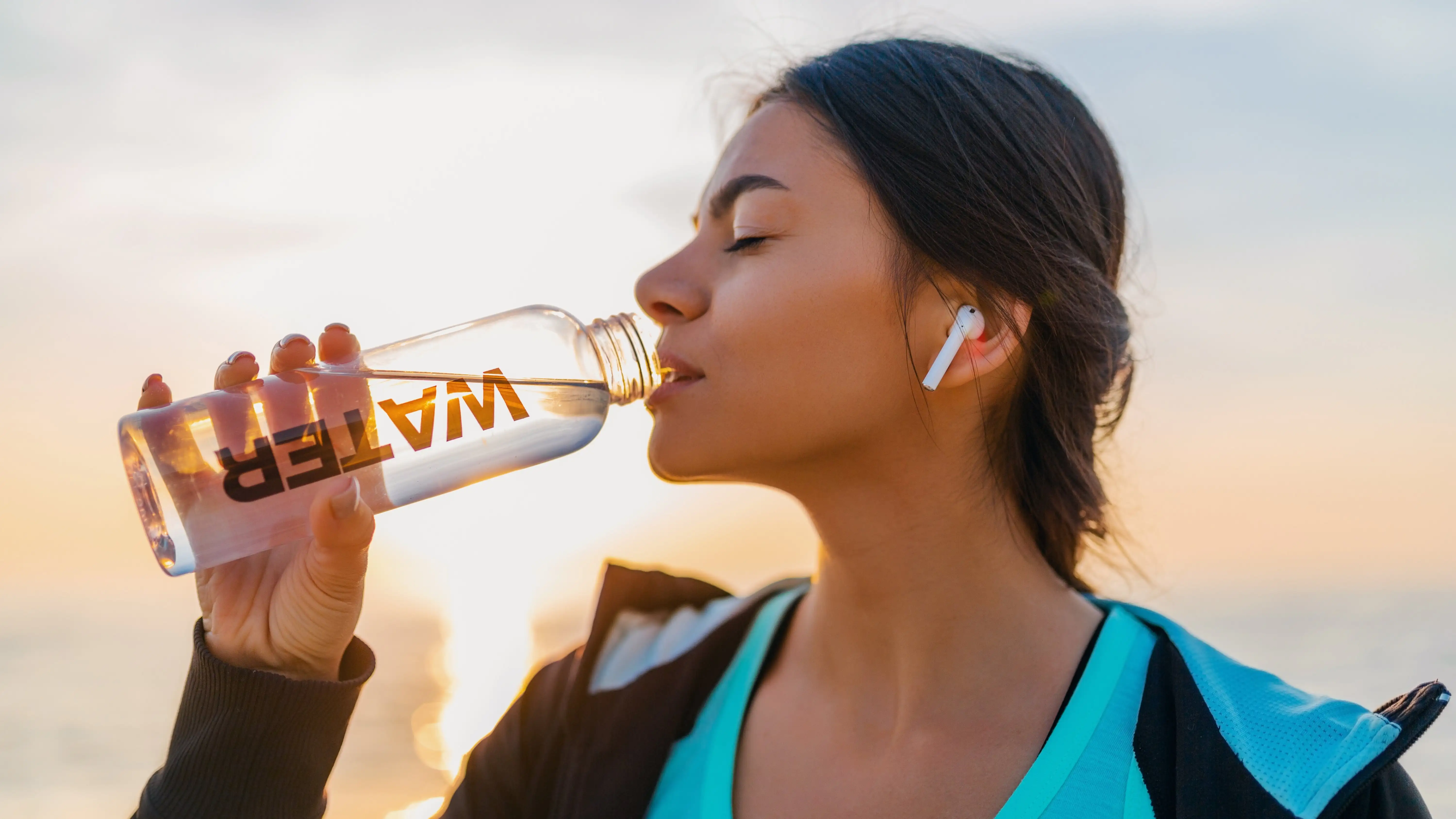
Dehydration can affect energy, concentration, digestion, kidneys, and heart health. Learn the early signs, common causes, treatment with ORS, and when to see a doctor.
Dehydration is one of the most common yet most underestimated health problems in India. When the body loses more fluids than it takes in, it struggles to carry out even basic functions. Mild dehydration affects energy, concentration, and physical performance. Severe dehydration becomes a medical emergency. The early signs of dehydration - thirst, fatigue, dark urine, headaches, and dizziness - are easy to miss or dismiss. This guide explains what dehydration is, what causes it, how it affects every system in your body, and what to do about it.
Key Takeaways
- Dehydration occurs when fluid loss exceeds fluid intake, and even mild dehydration (1-2% fluid loss) causes measurable cognitive and physical decline.
- Early signs of dehydration include thirst, dry mouth, dark yellow urine, fatigue, headaches, and dizziness.
- Severe dehydration symptoms, such as confusion, rapid heartbeat, minimal urine output, and fainting, require immediate medical attention.
- Causes of dehydration include insufficient fluid intake, sweating, fever, vomiting, diarrhoea, and hot weather, all highly relevant in Bengaluru’s climate.
- ORS (Oral Rehydration Solution) is the WHO-recommended first-line treatment, not plain water alone, when dehydration involves fluid and electrolyte loss.
- Children, older adults, outdoor workers, and people with chronic illnesses face the highest dehydration risk.
What Is Dehydration?
Dehydration is a condition in which the body lacks sufficient water and electrolytes to function normally. Water makes up approximately 60% of the adult body and is involved in virtually every biological process, from regulating temperature and transporting nutrients to supporting kidney function and lubricating joints.
The body constantly loses fluids through breathing, sweating, urination, and bowel movements. Under normal circumstances, these losses are balanced by drinking fluids and consuming water-rich foods. When fluid losses exceed intake, whether through insufficient drinking, illness, exercise, or heat, dehydration develops.
What most people miss is that dehydration is not just a water problem. It is also an electrolyte problem. Electrolytes - sodium, potassium, chloride, and magnesium - are minerals dissolved in body fluids that regulate nerve signals, muscle contractions, and fluid balance. When you sweat heavily, vomit, or have diarrhoea, you lose electrolytes alongside water. Replacing water alone is often insufficient, which is why ORS outperforms plain water for illness-related dehydration.
Common Causes of Dehydration
Understanding causes of dehydration helps prevent it before symptoms develop.
- Not drinking enough fluids - the most frequent cause, particularly in busy urban lifestyles. Many adults in Bengaluru’s fast-paced tech environment consistently under-drink throughout the workday.
- Excessive sweating - Bengaluru’s warm summers and physically demanding occupations cause significant daily fluid loss. Outdoor workers, construction workers, and delivery staff are particularly vulnerable.
- Fever and illness - dehydration fever combinations are common during viral infections. Fever accelerates fluid loss and increases the body’s fluid requirements significantly.
- Vomiting and diarrhoea - dehydration vomiting and dehydration diarrhoea are the most dangerous causes because they deplete both water and electrolytes simultaneously and rapidly. Monsoon season in Bengaluru brings a predictable surge in gastroenteritis cases, a primary cause of dehydration in India across all age groups. If you or a family member is experiencing vomiting or loose motions, visit your nearest Clinikk Health Hub promptly.
- Intense physical activity - exercise increases fluid loss through sweat. Without adequate replacement, even moderate dehydration during prolonged activity significantly reduces performance and increases injury risk.
- Hot weather conditions - high temperatures accelerate sweating and fluid requirements. Staying hydrated during Bengaluru’s summer months requires deliberate effort.
- Inadequate fluid intake during fasting - during Ramadan and other religious fasting periods, the long hours without fluid intake significantly increase dehydration risk, particularly in warm weather. Rehydrating well at Iftar and Sehri is essential.
- Certain medications - diuretics (used for high blood pressure) and some diabetes medications increase urinary fluid loss, raising dehydration risk in people managing chronic conditions.
Also read: Heat Wave in India 2026: Heat Stroke, Heat Exhaustion, Symptoms, and How to Stay Safe
Early Signs of Dehydration: What to Watch For
Recognising dehydration warning signs early prevents progression to more serious stages. The first signs of dehydration include:
- Increased thirst - often the first signal, though in older adults the thirst response may be blunted
- Dry mouth and dry lips
- Dark yellow or amber urine - one of the most reliable early indicators (see urine colour guide below)
- Reduced urine output - going to the toilet less frequently than usual
- Fatigue and low energy - even mild fluid loss reduces physical and mental performance noticeably
- Headaches - dehydration and headaches are closely linked; reduced fluid causes brain tissue to slightly contract, triggering pain signals
- Dizziness or lightheadedness - dehydration dizziness is particularly noticeable when standing up quickly, as reduced blood volume causes a brief drop in blood pressure to the brain
- Difficulty concentrating - mental clarity and cognitive function decline measurably with even mild dehydration
- Irritability and mood changes - often overlooked as a dehydration symptom
These dehydration warning signs affect dehydration in adults and children alike. Dehydration risk factors that increase symptom severity include being older, exercising in heat, having a fever, or taking certain medications. Dehydration complications, including kidney stones, urinary tract infections, and in severe cases acute kidney injury, develop when mild dehydration is consistently ignored. If you notice several of them together, increase fluid intake immediately. Persistent symptoms warrant a consultation with a Clinikk doctor.
The Urine Colour Guide: Your Daily Hydration Check
Urine colour is the easiest real-time indicator of hydration status:
| Urine Colour | What It Means |
|---|---|
| Pale straw / light yellow | Well hydrated |
| Medium yellow | Adequately hydrated; drink a little more |
| Dark yellow | Mild to moderate dehydration; drink water now |
| Amber / honey | Significant dehydration; increase fluids urgently |
| Brown or tea-coloured | Severe dehydration or possible kidney issue; seek medical care |
Monitoring urine colour throughout the day is a simple, effective daily dehydration check, especially during summer, illness, or intense physical activity.
How Dehydration Affects the Body: System by System
Brain and Cognitive Function
The brain is one of the organs most sensitive to hydration status. Even mild dehydration, as little as 1-2% body water loss, measurably impairs cognitive function. Effects on the brain include poor concentration, mental fatigue, difficulty focusing, headaches, irritability, and mood changes. This is why dehydration headaches are particularly common in the afternoon, when fluid intake has been low since morning.
In Bengaluru’s tech and professional workforce, where cognitive performance is critical, chronic mild dehydration is an underrecognised productivity drain.
Kidneys and Urinary System
The kidneys regulate fluid balance and remove waste products from the blood. When dehydration occurs, the kidneys conserve water by reducing urine output and concentrating urine. Dehydration and kidney health are closely linked; persistent or chronic dehydration increases the risk of kidney stones, urinary tract infections, and in severe cases, acute kidney injury.
Kidney stones are strongly associated with consistently inadequate fluid intake. Drinking sufficient fluids daily is one of the most effective ways to prevent kidney stones from forming.
Heart and Circulation
Dehydration reduces blood volume, which forces the heart to work harder to maintain circulation. Effects on the cardiovascular system include increased heart rate, reduced blood pressure, and reduced blood flow to tissues. These changes manifest as dizziness, weakness, and fatigue, and in vulnerable individuals, dehydration can trigger or worsen hypertension-related complications.
Individuals managing high blood pressure or heart conditions at Clinikk should be particularly mindful of hydration, especially during summer months or illness.
Digestive System
The digestive system relies on adequate hydration to function efficiently. Dehydration contributes directly to constipation, slower digestion, harder stools, and general digestive discomfort. Increasing fluid intake is one of the simplest and most effective interventions for constipation, and is often the first recommendation a Clinikk doctor will make.
Muscles and Physical Performance
Water is essential for muscle function. Effects of dehydration on muscles include cramps, reduced endurance, faster fatigue onset, and weakness. Even relatively mild dehydration, 2% body water loss, reduces exercise performance significantly. For athletes, gym-goers, and physically active individuals in Bengaluru, maintaining hydration before, during, and after exercise is non-negotiable.
Skin and Appearance
Dehydration reduces skin elasticity and can cause dryness and a dull appearance. While skin hydration depends on many factors, persistent dehydration is reflected in skin health over time. This is distinct from topical skin dryness and is addressed through fluid intake, not skin creams.
Also read: Everything You Need to Know About Sore Throat
Severe Dehydration: Recognise the Emergency
Severe dehydration symptoms indicate a medical emergency requiring immediate care:
- Extreme thirst
- Confusion or disorientation
- Rapid or weak heartbeat
- Very low or absent urine output
- Sunken eyes
- Extreme weakness or inability to stand
- Fainting
- Very low blood pressure
If any of these severe dehydration symptoms are present, particularly in children, older adults, or people with chronic illness, seek emergency medical care immediately. Do not attempt to manage severe dehydration at home with water alone.
Who Is at Higher Risk of Dehydration?
Infants and young children - children have higher fluid requirements relative to body size and can become severely dehydrated very quickly during illness with vomiting or diarrhoea. Dehydration in children is one of the most common reasons for paediatric emergency visits in India.
Older adults - dehydration in older adults is particularly dangerous. Ageing blunts the thirst response, and dehydration older adults experience may be significant before any thirst is felt. Dehydration in older adults increases the risk of falls, confusion, acute kidney injury, and urinary tract infections.
Athletes and physically active individuals - large sweat losses during exercise require deliberate pre- and post-activity hydration strategies.
Outdoor workers - construction workers, delivery staff, and auto-rickshaw drivers working in Bengaluru’s outdoor heat are at significant daily dehydration risk.
People with chronic diseases - diabetes, kidney disease, and heart conditions affect fluid balance. Clinikk members managing chronic diseases receive regular monitoring that includes hydration and electrolyte status.
People who are fasting - religious fasting without adequate rehydration during eating windows significantly increases dehydration risk in India’s warm climate.
Dehydration and Electrolytes: Why Water Alone Is Sometimes Not Enough
A critical gap most dehydration guides miss: when dehydration is caused by vomiting, diarrhoea, heavy sweating, or fever, plain water is often insufficient. Electrolytes, particularly sodium and potassium, are lost alongside fluid and must be replaced alongside water for normal cell and organ function to resume.
Drinking large volumes of plain water after significant electrolyte loss can actually dilute remaining electrolytes, worsening the imbalance. This is why clinical guidance recommends ORS, not plain water alone, for illness-related dehydration.
Dehydration Treatment: Mild, Moderate, and Severe
Mild Dehydration Treatment
For mild dehydration without significant electrolyte loss (e.g., not drinking enough during the day): drink water and water-rich foods consistently. Rest in a cool environment and avoid further fluid loss (vigorous exercise, excessive sweating).
Moderate Dehydration Treatment: ORS
For dehydration caused by illness (vomiting, diarrhoea, fever): Oral Rehydration Solution (ORS) is the WHO-recommended first-line treatment. ORS contains the precise balance of water, glucose, sodium, and potassium to restore both fluid and electrolyte levels simultaneously.
How to give ORS:
- Adults: sip 200-400 ml after each episode of vomiting or loose motions
- Children: give small, frequent sips, 5-10 ml every few minutes if they are vomiting
- Continue until symptoms resolve and urine colour returns to pale yellow
ORS sachets are available at all Clinikk Health Hubs and pharmacies. If ORS is not available, a home solution can be prepared: 1 litre of clean water, 6 level teaspoons of sugar, and half a teaspoon of salt.
Severe Dehydration Treatment
Severe dehydration requires intravenous (IV) fluid replacement under medical supervision. This cannot be managed at home. If a person is confused, unable to keep fluids down, has minimal urine output, or shows signs of severe weakness, consult a Clinikk doctor immediately or go to a hospital emergency department.
Hydrating Indian Foods: The Dietary Advantage
Hydration comes not just from drinking water but also from what you eat. These Indian foods provide significant fluid and electrolyte content:
- Coconut water - excellent natural electrolyte replacement, especially after exercise or illness; contains potassium, sodium, and magnesium
- Buttermilk (chaas) - curd-based, cooling, and a natural source of sodium and potassium; one of the best traditional dehydration remedies in South India
- Curd / yogurt - hydrating and probiotic; supports gut health during digestive illness
- Watermelon - approximately 92% water with natural electrolytes
- Cucumber - over 95% water; high in potassium
- Dal, rasam, and sambar - liquid-based South Indian staples that contribute meaningfully to daily fluid intake
- Nimbu paani (lemon water) with a pinch of salt - a simple, effective, traditional oral rehydration drink
Incorporating these foods during summer months, illness recovery, or intense physical activity meaningfully improves hydration alongside water intake.
How Much Water Do You Need Per Day?
Daily fluid requirements vary based on age, body size, physical activity, climate, and health conditions. General guidance for most healthy adults in India suggests:
- Sedentary adults: approximately 2-2.5 litres of total fluid per day (including water from food)
- Physically active adults: 3-4 litres or more on exercise days
- People with fever, vomiting, or diarrhoea: significantly more, with electrolyte replacement
- Pregnant or breastfeeding women: 2.5-3 litres minimum daily
Rather than fixating on a specific number, monitoring thirst, urine colour, and energy levels gives real-time feedback on your hydration status throughout the day.
Also read: Throat Pain: Causes, Treatments & Home Remedies
Dehydration Prevention: Daily Habits
Most cases of dehydration are preventable with consistent habits:
- Drink water proactively - do not wait until severely thirsty, especially for older adults whose thirst response may be blunted
- Start the day with water - 1-2 glasses of water immediately on waking compensates for overnight fluid loss
- Increase fluids during illness - fever, vomiting, and diarrhoea all dramatically increase fluid needs; begin ORS at the first sign of gastroenteritis
- Hydrate before and after exercise - replace sweat losses with water plus electrolyte-containing drinks or foods
- Monitor urine colour - check daily; pale yellow = hydrated
- Eat water-rich foods - especially fruits, vegetables, curd, and dal
- Be extra vigilant in summer - Bengaluru’s April-June peak heat months significantly increase daily fluid requirements
- Recognise early warning signs - address thirst, fatigue, headaches, and dizziness promptly rather than pushing through
When to See a Doctor for Dehydration
Most mild dehydration resolves with increased fluid intake. See a doctor at Clinikk Health Hub if:
- Symptoms do not improve after adequate fluid intake
- Vomiting or diarrhoea prevents keeping fluids down
- Dehydration symptoms occur in an infant, young child, or older adult
- There is fever alongside diarrhoea or vomiting
- You are a diabetic or have kidney disease, dehydration affects blood sugar and kidney function directly
- Urine output has been minimal for more than 8 hours
Seek emergency care immediately for confusion, fainting, rapid heartbeat, severe weakness, or very low urine output.
How Clinikk Health Hub Helps?
At Clinikk Health Hub, our general physicians across 12 Health Hubs in Bengaluru manage dehydration and its root causes gastroenteritis, fever, diarrhoea, monsoon illnesses, and chronic condition complications as part of everyday primary care.
Clinikk membership includes:
- Unlimited doctor consultations at zero cost per visit
- Free medicines including ORS and electrolyte solutions prescribed by your doctor
- Free lab tests including kidney function, blood electrolytes, and blood sugar
- Chronic disease management for diabetes and hypertension, conditions that increase dehydration risk
- Same-day appointments and walk-in access at all 12 Health Hubs across Bengaluru
Become a Clinikk member for ₹900/month and get unlimited access to the primary care your family needs, including same-day consultations for dehydration, fever, and gastroenteritis at a Health Hub near you.
Frequently Asked Questions
What are the first signs of dehydration?
The earliest signs of dehydration are increased thirst, dry mouth, dark yellow urine, reduced urine output, fatigue, and mild headaches. Acting on these early warning signs by drinking water or ORS prevents progression to moderate or severe dehydration.
What causes dehydration?
Common causes of dehydration include not drinking enough fluids, excessive sweating in heat or during exercise, fever, vomiting, diarrhoea, and certain medications like diuretics. In India, monsoon gastroenteritis and summer heat are the most frequent seasonal causes.
What is the fastest way to treat dehydration?
For mild dehydration, drinking water consistently resolves symptoms within a few hours. For illness-related dehydration caused by vomiting, diarrhoea, or fever, ORS (Oral Rehydration Solution) is the fastest and most effective treatment because it replaces both water and electrolytes simultaneously.
Is coconut water good for dehydration?
Yes. Coconut water is an excellent natural electrolyte drink. It contains potassium, sodium, and magnesium that are lost through sweating and illness. It is particularly useful for mild to moderate dehydration and is widely available and culturally familiar across South India.
Can dehydration cause high blood pressure?
Dehydration and high blood pressure are linked in complex ways. Acute dehydration can lower blood pressure. However, in chronic or recurring states, the kidneys retain sodium to conserve fluid, which can raise blood pressure over time. People managing hypertension should maintain consistent hydration and discuss fluid intake with their doctor.
What water-rich foods help with hydration?
Water-rich foods that help prevent dehydration include coconut water, buttermilk, curd, watermelon, cucumber, tomatoes, dal, rasam, and sambar. Incorporating these into daily meals, especially during summer or illness, meaningfully supports overall hydration.
How to treat dehydration at home?
How to treat dehydration at home depends on severity. Mild dehydration: drink water regularly and eat water-rich foods. Illness-related dehydration: use ORS sachets to replace both fluid and electrolytes. Severe dehydration: this cannot be treated at home; seek medical care immediately.
Can dehydration affect blood test results?
Yes, dehydration can affect blood test results. Dehydration concentrates blood components, making kidney function markers (creatinine), blood counts, and sodium levels appear abnormally high. If tests are done during dehydration, results should be interpreted with this in mind.
Can dehydration cause anxiety-like symptoms?
Yes. Dehydration anxiety symptoms - rapid heartbeat, dizziness, restlessness, difficulty concentrating - closely resemble anxiety. Adequate hydration should always be considered before attributing these symptoms to anxiety alone.
How long does it take to recover from dehydration?
Mild dehydration typically resolves within a few hours with adequate fluid intake. Moderate dehydration with electrolyte loss may take 12-24 hours with ORS and rest. Severe dehydration requiring IV fluids needs medical supervision and may take longer.
Is dehydration more dangerous in older adults?
Yes. Dehydration in older adults is particularly risky because the thirst response weakens with age. Dehydration older adults experience can be significant before any thirst signal is felt, increasing the risk of falls, confusion, kidney injury, and urinary tract infections.