
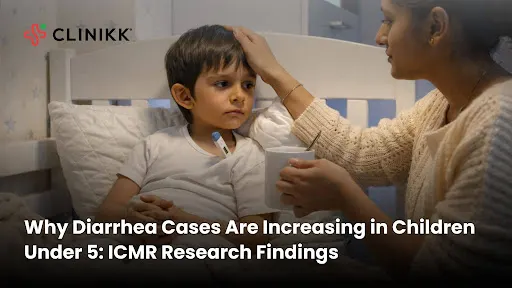
Diarrhea cases in children under five are rising due to contaminated water sources, inadequate sanitation, viral infections like Rotavirus, poor hygiene practices, and malnutrition. These factors combined create an environment in which children's developing immune systems struggle to fight off infections that cause loose motions and watery stools.
The Rising Problem: Why More Children Are Getting Diarrhea
Children under five are particularly vulnerable to diarrhea because their immune systems are still developing.
Recent research reveals that diarrhea cases continue to be a significant health burden globally, with multiple factors contributing to this increase.
The main reason diarrhea is so common in young children comes down to their environment and exposure to harmful pathogens.
Children at this age explore everything, putting things in their mouths, touching contaminated surfaces, and coming into contact with other sick children.
Their digestive systems haven’t built up the defenses needed to fight off infections that older kids and adults can easily handle.
What Are the Causes of Diarrhea in Young Children?
Contaminated Water and Poor Sanitation
One of the biggest culprits behind rising diarrhea cases is unsafe drinking water and inadequate sanitation practices.
When water sources aren’t properly treated or stored, bacteria like E. coli and Rotavirus find their way into children’s systems.
This is particularly common in areas with limited access to clean water facilities.
Viral and Bacterial Infections
Rotavirus, Norovirus, and various bacterial pathogens are leading causes of diarrhea in children.
Rotavirus alone causes millions of cases worldwide, though vaccines have helped reduce the severity.
These viruses spread rapidly in daycare centers, schools, and households, making children under five especially susceptible.
Poor Hygiene Practices
Parents and caregivers not washing hands properly before feeding children, after changing diapers, or when preparing food significantly increases diarrhea risk.
Children who haven’t learned proper handwashing habits are at even higher risk.
Malnutrition and Weak Immunity
Children who are malnourished have weaker immune systems, making them more prone to infections that cause diarrhea.
Inadequate nutrition also affects their ability to recover quickly from diarrheal episodes.
Improper Food Storage and Contamination
Improperly stored food, especially in warmer climates, becomes a breeding ground for harmful bacteria.
Young children’s sensitive digestive systems can’t handle contaminated food the way older children can.
Also read: Understanding the HMPV Virus: Signs, Therapy, Contagiousness & Recovery Period
Recognizing Diarrhea Symptoms Early
Diarrhea means loose, watery stools that occur more frequently than usual, typically more than three times a day.
In children under five, recognizing symptoms early helps prevent dehydration and complications.
Common warning signs include:
-
Watery or loose stools
-
Stomach cramps and stomach pain with loose motion
-
Vomiting along with loose motion
-
Fever sometimes
-
Weakness and lethargy
-
Loss of appetite
-
Dehydration signs such as dry mouth, fewer wet diapers, and dark urine
If your child has stomach aches and loose motion lasting more than a few days, it’s time to consult a healthcare provider.
Treatment and Management at Home
Immediate Steps to Stop Loose Motion
The most important thing is preventing dehydration.
Offer frequent, small amounts of fluid throughout the day.
Water, breast milk, oral rehydration solutions (ORS), and clear broths work well.
What to Eat During Loose Motion
Once your child can tolerate food again, offer bland, easy-to-digest options like:
-
Plain rice or rice porridge
-
Boiled potatoes
-
Bananas
-
Toast, if age-appropriate
-
Plain yogurt with beneficial bacteria
-
Cooked and soft carrots
Avoid dairy, fatty foods, high-fiber items, and anything spicy until recovery is complete.
Loose Motion Medicine and Tablets
While most cases resolve on their own, certain loose motion tablets and medicines can help.
Antibiotics may be needed for bacterial infections, but they’re not effective against viral diarrhea.
Your doctor will determine which loose motion medicine for kids is appropriate based on the cause.
Common approaches include:
-
Oral rehydration therapy, which is most important
-
Antimotility agents only in specific cases, and not recommended for young children with fever
-
Antibiotic for loose motion, if bacterial infection is confirmed
-
Home remedies for loose motion, such as ginger, rice water, and lemon
How to Stop Loose Motion Immediately: Prevention Tips
You can’t always stop diarrhea instantly, but you can prevent it from happening in the first place:
-
Ensure clean water access: Use filtered or boiled water for drinking and cooking.
-
Practice proper hygiene: Wash hands before eating and after bathroom use.
-
Food safety: Store food properly, check expiration dates, and avoid street food for young children.
-
Vaccination: Rotavirus vaccine significantly reduces severe diarrhea cases.
-
Breastfeeding: For infants, exclusive breastfeeding provides natural protection.
-
Clean utensils: Sterilize bottles, pacifiers, and eating utensils regularly.
Also read: COVID-19 Cicada Variant (BA.3.2): What It Is, Symptoms, and Should You Be Worried?
Understanding Diarrhea ICD-10 Codes and Medical Classification
Doctors use standardized codes (ICD-10) to classify diarrhea cases.
This helps in tracking diarrheal disease patterns and understanding why the reasons for loose motion vary.
Terms like “watery diarrhea,” “dysentery symptoms” (bloody diarrhea), and “chronic diarrhea” each have distinct codes that guide treatment approaches.
When to Contact Clinikk?
While most cases of diarrhea resolve at home, some situations require professional medical evaluation.
At Clinikk, our pediatric team is equipped to:
-
Accurately diagnose the cause of diarrhea through clinical assessment and testing
-
Assess dehydration levels and provide IV rehydration if needed
-
Prescribe appropriate medicines based on confirmed diagnosis
-
Screen for complications like dysentery or parasitic infections
-
Provide dietary counseling specific to your child’s condition
-
Monitor chronic or recurring diarrhea cases
Seek immediate care at Clinikk if your child experiences:
-
Severe dehydration signs such as extreme lethargy, sunken fontanelle, or no tears when crying
-
Bloody stools or signs of dysentery
-
Diarrhea lasting more than 7-10 days
-
Fever above 102°F with diarrhea
-
Severe abdominal pain
-
Vomiting that prevents fluid intake
-
Signs of malnutrition or failure to thrive
Clinikk’s expert pediatricians understand that each child’s case is unique.
We provide personalized treatment plans, ensuring your child gets the right loose motion treatment at the right time.
Our clinic prioritizes quick diagnosis, appropriate medication when needed, and preventive education for your family.
Understanding loose motion causes helps prevent future episodes.
Focus on:
-
Clean water access
-
Regular vaccination schedules, including Rotavirus vaccine
-
Proper food handling and storage
-
Consistent hygiene practices
-
Good nutrition
While diarrhea is common in children under five, most cases are manageable at home with proper hydration and nutrition.
However, don’t hesitate to reach out to healthcare professionals if you’re concerned or if symptoms persist.
Remember: quick action, proper hydration, and knowing when to seek help from clinics like Clinikk can turn a potentially serious situation into a quick recovery.
Your child’s health is worth professional attention when needed.
Have questions about your child’s symptoms? Contact Clinikk today for expert pediatric care and personalized guidance on managing diarrhea and loose motion.
Frequently Asked Questions
How to stop diarrhea fast in children?
The fastest approach involves oral rehydration with ORS solutions combined with bland foods.
Most cases resolve within 3-7 days with proper care.
Antibiotics may be needed if bacterial infection is confirmed.
What causes diarrhea in children?
Common causes include viral infections such as Rotavirus, bacterial infections, contaminated food or water, parasites, food allergies, and sudden dietary changes.
What to eat in loose motion?
Stick to bland, easily digestible foods: rice, boiled potatoes, toast, bananas, plain yogurt, and clear soups.
Avoid dairy, spicy food, and high-fiber items.
How to cure loose motion at home?
Oral rehydration is key.
Use ORS solutions, offer clear fluids, rest, and introduce bland foods gradually.
Most mild cases resolve naturally within a week.
Best medicine for loose motion?
Oral rehydration therapy (ORS) is the gold standard.
Additional medicines depend on the cause: antibiotics for bacterial infections, antivirals if available, and dietary adjustments.
Avoid self-medication with antimotility drugs.
What is loose motion treatment at home?
Keep the child hydrated with ORS or clear fluids, provide complete rest, feed bland foods, maintain hygiene, and monitor for signs of dehydration.
Seek medical help if symptoms worsen.
Loose motion medicine for kids, which is safe?
ORS solutions are safest and most effective.
Medicines like probiotics can help.
Antibiotic use should be doctor-guided only.
Avoid antimotility drugs unless specifically prescribed.
Home remedies for loose motion?
Ginger tea, rice water, lemon water with salt, coconut water, and plain yogurt are traditional remedies that help.
These support hydration and provide mild nutritional support.
Why does loose motion happen?
Loose motion occurs when the intestines can’t absorb water properly, usually due to infection, food intolerance, or inflammation.
This causes frequent, watery stools.
Loose motion and fever together, when to worry?
Fever with diarrhea may indicate a viral or bacterial infection.
If fever exceeds 102°F (39°C) or persists beyond 3 days, seek medical attention immediately.
Stomach pain and loose motion, what to do?
Rest, hydration, and bland foods usually help.
If pain is severe, cramping is intense, or symptoms worsen, consult a healthcare provider to rule out serious conditions.