
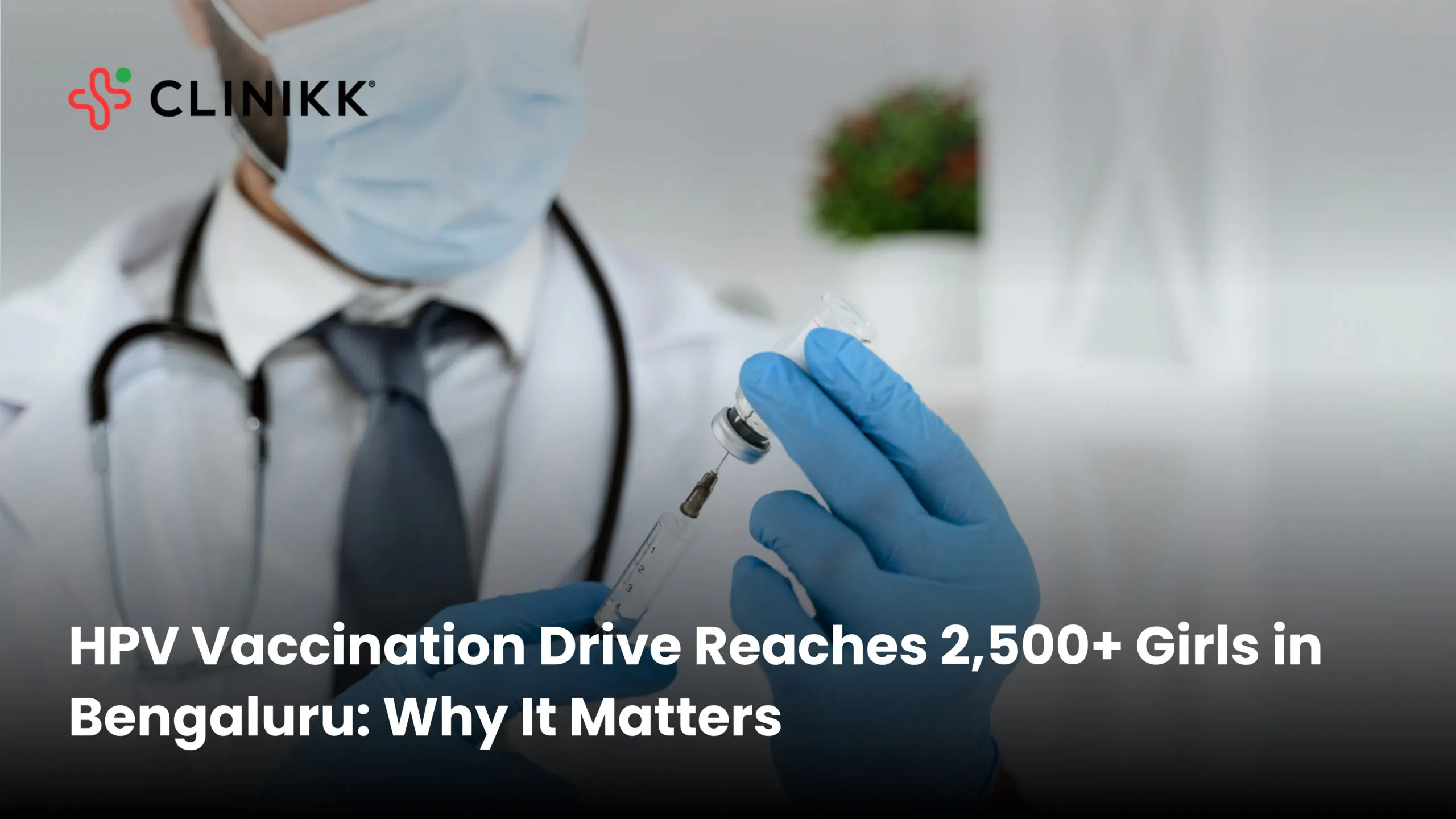
Over 2,500 girls across Bengaluru have been vaccinated against HPV (human papillomavirus) in recent vaccination drives, marking a significant step in cervical cancer prevention. This number reflects growing awareness among parents and young women about the importance of getting protected early. What Is HPV and Why Should You Care?
What Is HPV and Why Should You Care?
HPV, or human papillomavirus, is a common infection spread through sexual contact. Most people don’t even realize they have it because the virus often shows no symptoms. However, certain types of HPV can lead to serious health issues, most notably cervical cancer in women.
The virus exists in over 100 different types. While most go away on their own, about 13 high-risk types can cause cancer. This is why early vaccination before exposure is so important. Getting vaccinated before becoming sexually active gives your body the protection it needs.
Why Are So Many Girls Getting Vaccinated in Bengaluru?
Bengaluru’s vaccination push reflects a nationwide effort to reduce cervical cancer cases. Cervical cancer remains the second most common cancer among women in India. The good news? It’s highly preventable with vaccination.
Health authorities have recognized that vaccinating girls aged 9-14 (and up to age 26) offers the best protection. This age group hasn’t been exposed to the virus yet, making vaccination most effective. In Bengaluru, schools and health camps have made vaccination accessible and affordable, which is why these numbers are increasing.
Parents are also becoming more aware that this isn’t just about individual health, it’s about breaking the cycle of HPV transmission in the community.
Also read: Delayed Period: When to Worry and When to Wait
What Is the HPV Vaccine and How Does It Work?
The HPV vaccine available in India includes two main options: Gardasil (protects against 4 types of HPV) and Gardasil 9 (protects against 9 types). Both vaccines teach your immune system to recognize and fight off the virus before infection happens.
The vaccine is given as an injection, typically requiring 2-3 doses depending on age and which vaccine is used. The doses are spaced over several months to ensure complete protection.
How it works: The vaccine contains proteins from the HPV virus but not the actual virus itself. This trains your body’s defense system to recognize HPV if you encounter it later. It’s like showing your immune system a wanted poster before the criminal shows up.
Understanding the Real Benefits
When we talk about HPV vaccination, we’re talking about preventing cervical cancer, which kills thousands of women every year. But the vaccine also prevents other cancers and genital warts caused by HPV.
Getting vaccinated young means:
-
Lifetime protection against the types covered by the vaccine
-
Prevention of cervical precancers that would require ongoing monitoring
-
Reduced spread to future partners
-
Peace of mind knowing you’ve taken a proactive health step
The data is clear: countries with high HPV vaccination rates have seen dramatic drops in cervical cancer cases.
What About Cost and Availability in Bengaluru?
The HPV vaccine cost in India varies. Government programs often provide free or subsidized vaccines to eligible girls. Private clinics typically charge between Rs. 4,000 and Rs. 8,000 per dose, depending on the vaccine type.
Cost breakdown:
-
Gardasil (4-dose): Rs. 4,000-6,000 per dose
-
Gardasil 9: Rs. 6,000-8,000 per dose
Most vaccination drives in Bengaluru, including those reaching the 2,500+ girls mentioned, were organized through schools and health camps with subsidized or free access.
Also read: Typhoid Vaccine: Who Needs It and Why It Matters
HPV Vaccine Schedule in India: What’s the Timeline?
The standard HPV vaccine schedule in India depends on age:
For girls aged 9-14: Two doses, six months apart.
For girls/women aged 15-26: Three doses (0, 1-2 months, and 6 months).
Starting vaccination early is ideal, but it’s never too late.
Even if you’re 20 or 25, getting vaccinated still offers protection against types you haven’t encountered.
What You Should Do If You Haven’t Been Vaccinated Yet
Whether you’re a parent trying to get your daughter vaccinated or a young woman wanting to protect yourself, the process is straightforward.
Check if your local schools or health departments have organized camps; many are free or highly subsidized.
If camps aren’t available in your area, visit your nearest health center or clinic.
They can guide you on vaccine availability, cost, and the vaccination schedule for your age group.
Many health facilities now have HPV vaccines in stock.
The important thing is to take action before it’s too late. Remember, vaccination is most effective before exposure to the virus.
Clinikk Health Hub encourages you to participate in this national health initiative and get vaccinated when the opportunity arises.
The Bottom Line
Over 2,500 girls vaccinated in Bengaluru represent real progress in cancer prevention. HPV vaccination is one of the most effective health interventions available. It prevents cancer before it starts.
Whether you’re deciding about vaccination for yourself or someone you care about, the evidence is clear: this vaccine saves lives. The conversation has shifted from “should we vaccinate?” to “how do we reach more people?”
Your health is worth protecting. Make the informed choice.
Common Questions About HPV Vaccination
What exactly is HPV in simple terms?
HPV is a virus spread through sexual contact. Most people clear it naturally, but some types can cause cervical cancer or genital warts. The vaccine prevents this before infection happens.
What are the HPV symptoms in females I should watch for?
Most HPV infections don’t cause symptoms. This is why cervical cancer screening (Pap tests) is important even after vaccination. Symptoms of cervical precancers include unusual bleeding or discharge, but prevention through vaccination is far better than dealing with symptoms later.
Can males get the HPV vaccine too?
Yes. While the recent Bengaluru drive focused on girls, boys and men aged 9-26 can also get vaccinated. HPV affects both genders, and male vaccination helps prevent transmission.
Does the HPV vaccine have side effects?
Most side effects are mild, such as soreness, mild fever, or headache. Serious side effects are extremely rare. Millions of doses have been given worldwide with an excellent safety record.
Can HPV be cured if someone already has it?
There’s no cure for HPV itself, but your immune system usually clears it. If it persists and causes precancerous changes, those can be treated. This is why the vaccine is most effective before infection.
Why is the HPV vaccine sometimes recommended only until age 26?
The vaccine is FDA-approved up to age 26 because studies show it’s most effective before exposure. However, some doctors may recommend it for older people in specific circumstances.
What is an HPV test, and how does it work for women?
An HPV DNA test checks for the presence of high-risk HPV types. It uses a sample from the cervix and is often done alongside Pap smears for cervical cancer screening.
How is HPV transmitted to partners?
HPV spreads through sexual contact, including vaginal, anal, and oral sex. Using protection (condoms) reduces but doesn’t eliminate transmission risk, which is why vaccination is so important.
What is cervical cancer, and can the HPV vaccine prevent it?
Cervical cancer develops when HPV causes abnormal cell growth in the cervix. The vaccine prevents the types of HPV most likely to cause cervical cancer, so vaccination is one of the best prevention strategies.